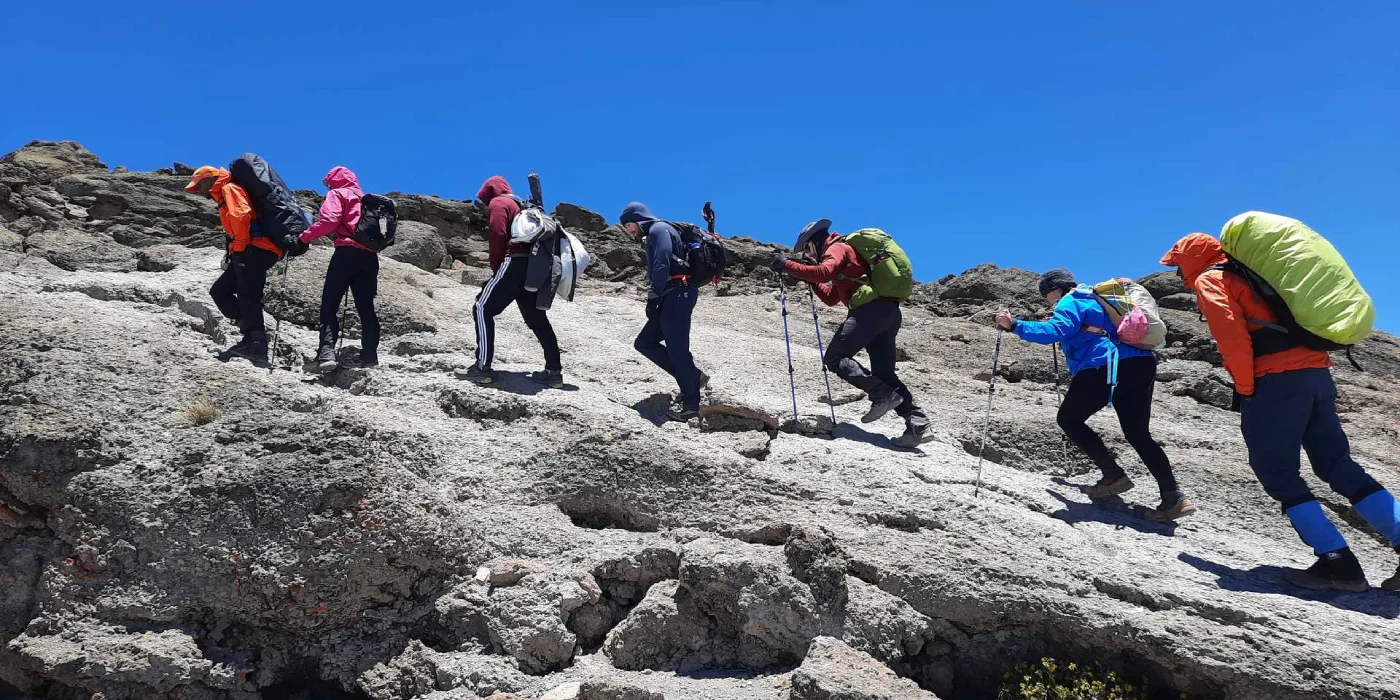
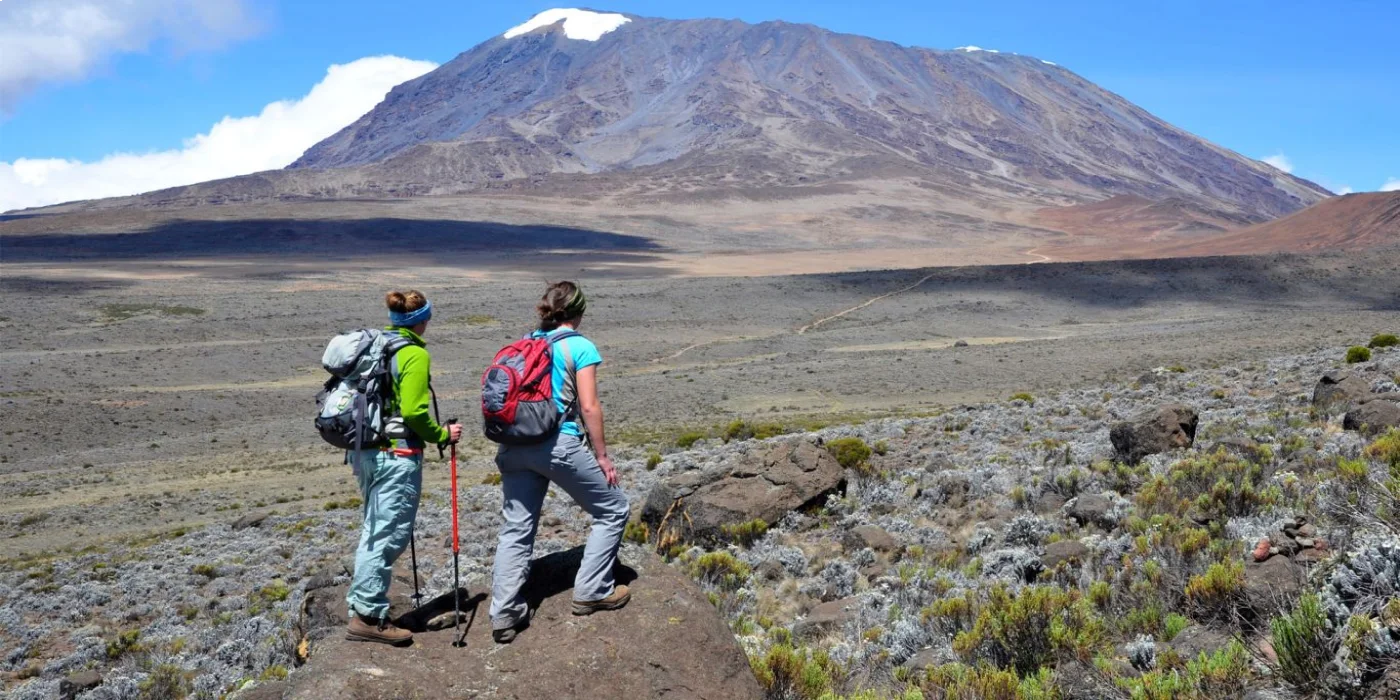
Mount Kilimanjaro is Africa's highest mountain and one of the world's most iconic trekking destinations. Rising to an impressive 5,895 meters (19,341 feet) above sea level, Kilimanjaro attracts thousands of adventurers every year who dream of standing on the highest point in Africa, Uhuru Peak.
Unlike many of the world's highest mountains, climbing Kilimanjaro does not require technical mountaineering skills. This makes it accessible to hikers of varying experience levels who are prepared to undertake a challenging high-altitude trek. The mountain offers breathtaking scenery, diverse ecosystems, and an unforgettable sense of achievement.
From lush rainforests and giant heather moorlands to alpine deserts and glaciers near the summit, every day on Kilimanjaro presents a new landscape and a unique adventure.
Mount Kilimanjaro is located in northeastern Tanzania near the Kenyan border. The mountain stands within Kilimanjaro National Park, a UNESCO World Heritage Site renowned for its ecological diversity and natural beauty.
The nearest gateway city is Arusha, which serves as the starting point for most climbing expeditions. Trekkers typically spend at least one night in Arusha before beginning their climb and another night after descending from the mountain.
Several routes lead to the summit of Mount Kilimanjaro, each offering different scenery, difficulty levels, and success rates.
The Lemosho Route is widely regarded as one of the best routes on Kilimanjaro. It offers stunning scenery, excellent acclimatization opportunities, and high summit success rates.
Highlights include:
Known as the "Whiskey Route," Machame is one of the most popular routes on Kilimanjaro.
Benefits include:
Known as the "Coca-Cola Route," the Marangu Route is the oldest and most established route on Mount Kilimanjaro. It is the only route that offers accommodation in mountain huts rather than tents, making it a popular choice for climbers seeking additional comfort during their trek.
Benefits include:
While Marangu is often considered one of the easier routes due to its trail conditions and hut accommodation, the shorter itineraries can make acclimatization more challenging. For the best chance of reaching Uhuru Peak, we recommend the 6-day Marangu Route.
Approaching from the northern side of the mountain, Rongai offers a quieter trekking experience.
Advantages include:
The Northern Circuit is the longest route and provides the highest success rate due to excellent acclimatization.
Benefits include:
Although Kilimanjaro is a non-technical mountain, the climb is physically demanding. The biggest challenge is not the terrain but the altitude.
Trekkers may experience symptoms of altitude sickness as they ascend. Proper acclimatization, a gradual pace, hydration, and experienced guides significantly improve the chances of reaching the summit successfully.
Most days involve 5–8 hours of hiking, while summit night can require 12–16 hours of trekking before returning to camp.
The duration depends on the chosen route.
Typical itineraries include:
Longer itineraries generally result in significantly higher summit success rates due to better acclimatization.
Mount Kilimanjaro can be climbed year-round, but certain months offer more favorable weather conditions.
Advantages:
Advantages:
These months are typically wetter and less popular due to seasonal rains.
Proper equipment is essential for comfort and safety.
Key items include: Waterproof hiking boots, Thermal base layers, Down jacket, Waterproof jacket and pants, Warm gloves, Insulated hat, Sleeping bag rated for sub-zero temperatures, Headlamp, Trekking poles, Sunglasses, Sunscreen, Reusable water bottles or hydration system
A detailed packing list should be reviewed before departure to ensure preparedness for all weather conditions.
Summit day is the most challenging and rewarding part of the climb.
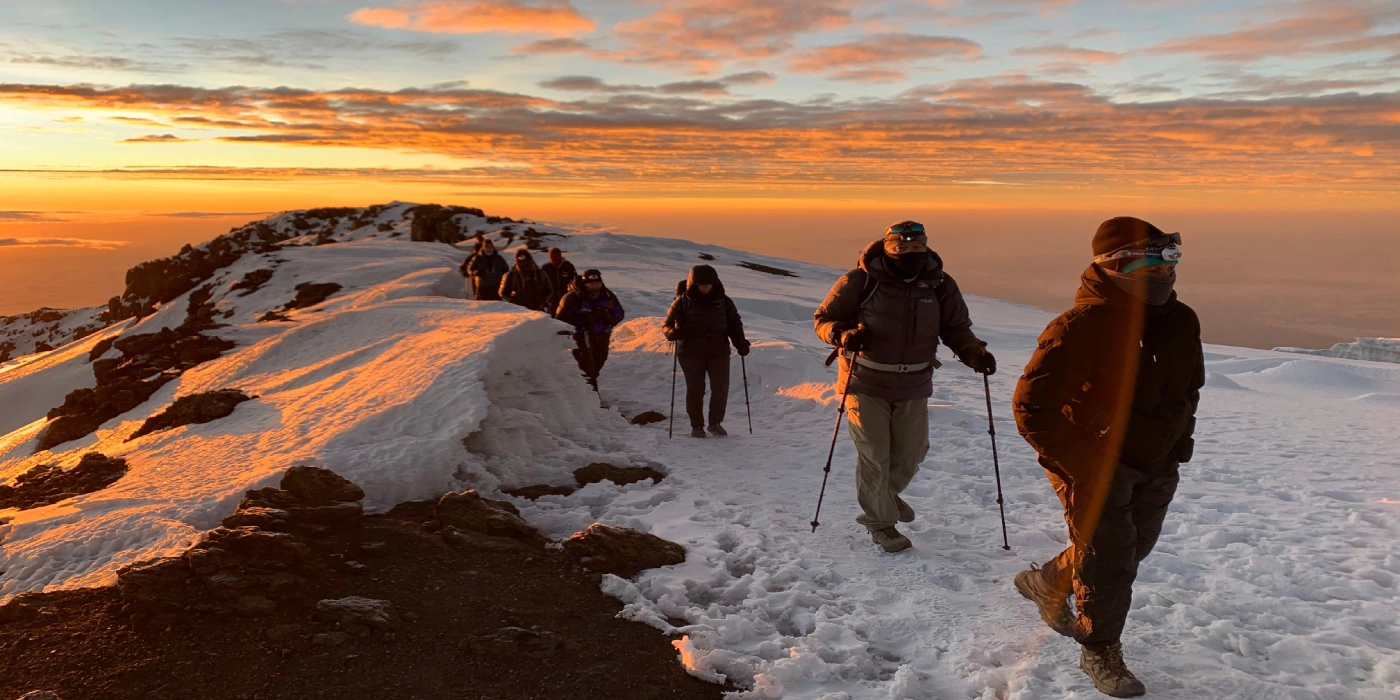
Trekkers typically begin their ascent around midnight. The goal is to reach the summit shortly after sunrise, allowing climbers to witness one of the most spectacular sunrises on Earth.
As the sky gradually brightens over Africa, climbers are rewarded with breathtaking views of glaciers, volcanic landscapes, and endless horizons.
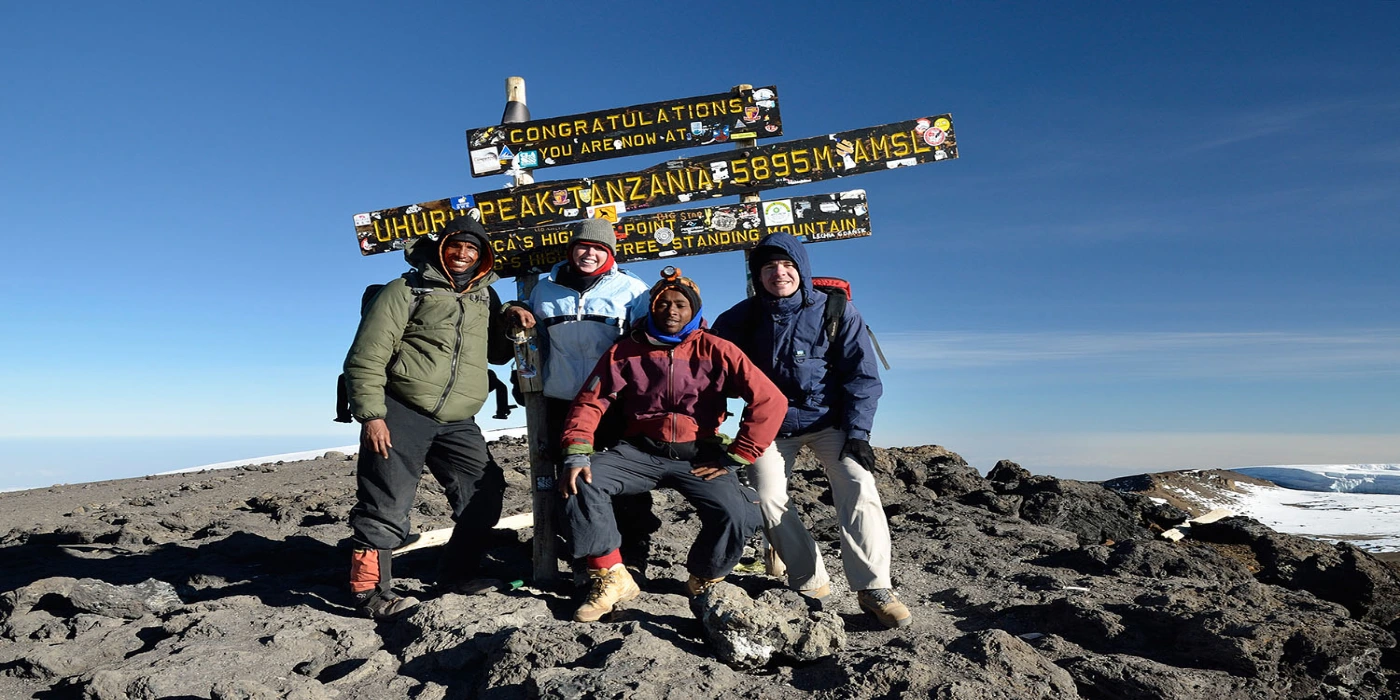
Standing beneath the famous Uhuru Peak sign marks the successful completion of an extraordinary journey and the achievement of reaching the highest point in Africa.
Mount Kilimanjaro offers remarkable biodiversity throughout its ecological zones.
Wildlife commonly seen includes:
The mountain's changing environments create one of the most diverse trekking experiences in the world.
All climbs within Kilimanjaro National Park must be conducted with licensed guides.
A professional guiding team provides:
Experienced guides play a critical role in helping climbers achieve a safe and successful summit.
Physical preparation improves comfort and increases summit success.
Recommended training includes:
Training should ideally begin several months before the climb.
To climb Mount Kilimanjaro is to experience one of the world's greatest trekking adventures. From lush rainforest trails to the icy summit of Uhuru Peak, every step reveals new landscapes, challenges, and rewards. With proper preparation, the right route, and an experienced guiding team, reaching the Roof of Africa becomes an achievable and life-changing accomplishment.
Whether you choose the scenic Lemosho Route, the popular Machame Route, or the highly successful Northern Circuit, Mount Kilimanjaro offers an unforgettable journey to the highest point on the African continent.

Don't just get there, get there in style.
Top Destination
Information
Follow Us
Payment channels