
What I Wish I Knew Before Climbing Mount Kilimanjaro
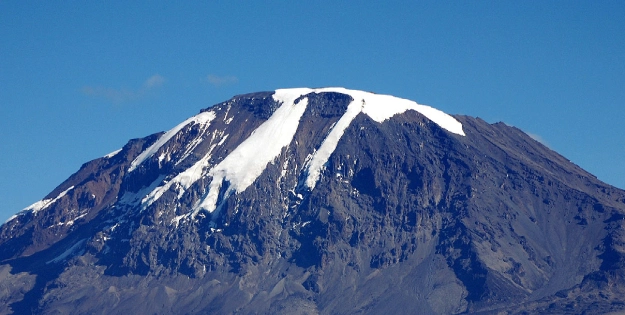
Climbing Mount Kilimanjaro had been on my bucket list for years. Standing at 5,895 meters (19,341 feet), Kilimanjaro is the highest mountain in Africa and one of the world’s most famous trekking destinations. Unlike many other high-altitude mountains, it doesn’t require technical climbing skills, making it accessible to adventurous travelers from all walks of life.
Before my trek, I spent countless hours reading blogs, watching videos, and researching routes. I thought I knew exactly what to expect. However, once I set foot on the mountain, I quickly realized there were many things nobody had fully prepared me for.
If you’re planning a Kilimanjaro climb, this guide shares everything I wish I had known before climbing Mount Kilimanjaro. These lessons can help you prepare better, increase your summit success chances, and enjoy the experience much more.
Mount Kilimanjaro Is More Difficult Than It Looks
TOne of the biggest misconceptions about Kilimanjaro is that it is “just a hike.”
Technically, you don’t need ropes, ice axes, or climbing experience. However, what makes Kilimanjaro challenging is the altitude. Every step becomes harder as you climb higher, and even fit hikers can struggle with the effects of thin air.
Many people focus heavily on physical fitness and underestimate how demanding altitude can be. You may be able to run marathons at sea level, but Kilimanjaro presents a completely different challenge.
Understanding this before your climb helps you approach the mountain with the right mindset.
Altitude Is the Real Challenge
If there is one thing I wish I understood better before my trek, it is altitude sickness.
Above 3,000 meters, your body starts receiving less oxygen. As you continue climbing, symptoms can appear unexpectedly.
Common symptoms include: Headaches, Fatigue, Nausea, Loss of appetite, Difficulty sleeping andDizziness.
The surprising part is that altitude affects everyone differently. Age, fitness level, and hiking experience do not guarantee protection.
The best defense is choosing a route with good acclimatization, climbing slowly, drinking plenty of water, and listening carefully to your guides.
Choosing the Right Route Matters More Than You Think
IBefore climbing, many people simply choose the cheapest route. Looking back, I realize route selection is one of the most important decisions you’ll make.
Popular routes include:
- Machame Route
- Lemosho Route
- Marangu Route
- Rongai Route
- Northern Circuit Route
Routes with more days generally provide better acclimatization and higher summit success rates.
If I could give one recommendation, I would suggest prioritizing acclimatization over saving a few hundred dollars. The extra day or two on the mountain can significantly improve your chances of reaching Uhuru Peak.
Summit Night Is Mentally Tough
Nothing truly prepares you for summit night.
Most climbers begin around midnight in freezing temperatures and complete darkness. The climb feels endless. Every step requires effort, and progress seems incredibly slow.
What surprised me most was how mental the challenge became. Physical strength helps, but determination becomes even more important.
The key is focusing on one step at a time. Looking too far ahead can feel overwhelming. Staying positive and trusting the process makes a huge difference.
Layering Clothing Is Essential
Before Kilimanjaro, I underestimated how dramatically temperatures change.
You start in tropical rainforest conditions and eventually reach arctic temperatures near the summit.
During the trek, you may experience: Warm sunshine, Rain, Strong winds, Freezing temperatures, Snow or ice
The secret is layering.
A good layering system allows you to adjust your clothing throughout the day without becoming too hot or too cold.
Investing in quality base layers, fleece jackets, waterproof shells, and insulated outerwear is worth every penny.
Your Feet Can Make or Break the Trek
One of the most overlooked aspects of preparation is foot care.
Blisters can turn an enjoyable climb into a painful experience.
Before your trip:
- Break in your hiking boots.
- Wear moisture-wicking socks.
- Bring multiple sock changes.
- Learn basic blister prevention techniques.
Many climbers spend months training but forget that comfortable feet are critical to reaching the summit
Hydration Is More Important Than You Realize
Every guide on Kilimanjaro will remind you to drink water.
At first, it may seem excessive.
However, altitude increases dehydration, and dehydration worsens altitude sickness symptoms.
Most climbers should aim to drink several liters of water every day.
A hydration bladder often makes drinking easier because you can sip continuously while walking.
Staying hydrated became one of the most important habits during my climb.
You May Not Sleep Well
One surprise for many climbers is poor sleep.
Even experienced trekkers often struggle to sleep at altitude.
Reasons include: Thin air, Cold temperatures, Excitement and Physical exhaustion
Don’t panic if you have a few restless nights.
Many climbers still successfully reach the summit despite limited sleep. Focus on resting whenever possible and conserving energy.
The Guides Are Incredible
One thing I did not fully appreciate before the climb was the dedication of the mountain crew.
Your guides, cooks, and porters work incredibly hard behind the scenes.
They: Carry equipment, prepare meals, set up camp, monitor your health and motivate you when conditions become difficult
Many climbers reach the summit because of the encouragement and expertise provided by their guides.
The Kilimanjaro support teams are a huge part of what makes the experience so special.
The Food Is Better Than Expected
Before arriving, I expected basic camping food.
Instead, I was pleasantly surprised.
Most professional operators provide: Soups, Fresh fruit, Vegetables, Rice, Pasta, Potatoes, Meat dishes and Hot drinks
Proper nutrition plays an important role in acclimatization and recovery.
Even when appetite decreases at altitude, eating regularly helps maintain energy levels.
Trekking Poles Are Worth Bringing
I originally thought trekking poles were optional.
After experiencing steep ascents and long descents, I quickly changed my opinion.
Trekking poles help:
- Reduce pressure on knees
- Improve balance
- Conserve energy
- Increase stability on loose terrain
Many climbers consider them one of the most valuable pieces of equipment on the mountain.
The Descent Can Be Harder Than the Ascent
Most people focus entirely on reaching the summit.
What many don’t realize is that descending can be surprisingly challenging.
After summit night, your legs are already tired.
The descent involves:
- Loose volcanic gravel
- Long hiking hours
- Significant impact on knees and joints
Proper footwear and trekking poles become especially valuable during this stage.
Weather Can Change Quickly
Kilimanjaro creates its own weather patterns.
A sunny morning can become a rainy afternoon within hours.
Being prepared for changing conditions is essential.
Always keep:
- Rain gear accessible
- Warm layers nearby
- Electronics protected in waterproof bags
Flexibility and preparation make dealing with weather changes much easier.
Mental Preparation Is Just as Important as Physical Training
Many climbers spend months improving their physical fitness.
While training is important, mental preparation often receives less attention.
There will be moments when you feel tired, cold, or uncomfortable.
Having a positive mindset helps enormously.
Remember why you started.
Focus on your goal.
Trust your guides.
Believe in yourself.
Often, the biggest obstacle on Kilimanjaro is not physical strength but mental resilience.
Reaching Uhuru Peak Is an Emotional Experience
Standing on the Roof of Africa is difficult to describe.
After days of trekking, countless steps, and overcoming physical and mental challenges, reaching Uhuru Peak becomes an unforgettable moment.
Many climbers experience overwhelming emotions.
Some laugh.
Some cry.
Some simply stand quietly and absorb the achievement.
Regardless of how you react, it is a moment that stays with you forever.
Why I Would Climb Kilimanjaro Again
Despite the challenges, Kilimanjaro remains one of the most rewarding adventures I have ever experienced.
The mountain offers:
- Incredible scenery
- Personal growth
- Unique cultural experiences
- Lasting memories
- A genuine sense of accomplishment
Every day presents something new, from rainforest wildlife to spectacular alpine landscapes and breathtaking summit views.
It is far more than a mountain climb; it is a life-changing journey.
Conclusion
Looking back, there are many things I wish I knew before climbing Mount Kilimanjaro. Understanding the realities of altitude, choosing the right route, preparing proper gear, staying hydrated, and focusing on mental resilience would have made my experience even smoother.
However, perhaps the most important lesson is that Kilimanjaro is not simply about reaching the summit. It is about embracing the journey, appreciating the people who help you along the way, and discovering what you are capable of achieving when you step outside your comfort zone.
If you are planning your own Kilimanjaro adventure, prepare thoroughly, trust the process, and enjoy every step of the journey. The Roof of Africa is waiting, and the experience will stay with you for the rest of your life.